
TESTbiorecyclingTEST

This template is provided by OpenElement and was made in partnership with Sensode.
A complete FAQ is available describing various elements composing it (see the FAQ page in the Site Explorer on the left).
In case of questions, please visit the forum.
This text block can safely be removed and will not appear on the page.
A complete FAQ is available describing various elements composing it (see the FAQ page in the Site Explorer on the left).
In case of questions, please visit the forum.
This text block can safely be removed and will not appear on the page.
Transforming Textile Waste into Tomorrow’s Resources
The Concept
biorecyclingLabs is developing breakthrough biotechnology designed to transform mixed-fiber and post-consumer textile waste into valuable industrial feedstock, helping support a more circular and sustainable textile economy.
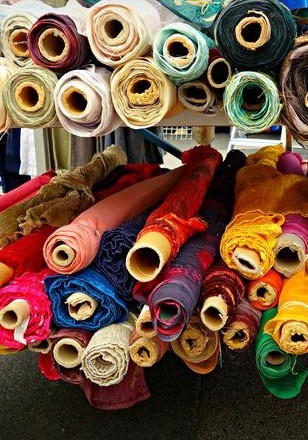
The global textile industry faces a growing sustainability challenge. Every year, millions of tons of textiles are discarded after only brief use, yet less than 1% are recycled back into new fibers.
While recycling systems do exist, current methods often:
• Require significant energy, water, or chemical inputs
• Degrade material quality during processing
• Struggle to process blended or treated fabrics
• Downcycle materials into lower-value applications
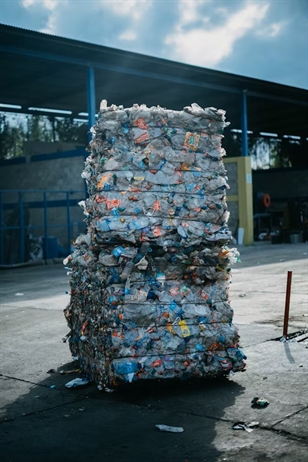
As a result, large volumes of textile waste are still incinerated, landfilled, or converted into products such as insulation or industrial fillers, limiting long-term material recovery and circularity.
A major challenge lies in the composition of modern textiles. Many fabrics combine natural and synthetic fibers alongside dyes, coatings, and chemical treatments that are difficult to separate using traditional recycling technologies. Textile dyeing and processing also remain among the world’s largest contributors to industrial water pollution, while less than 15% of textile waste is collected for recycling globally.
biorecyclingLabs was founded on the belief that waste should not mark the end of a material’s lifecycle.
By developing biological recycling processes inspired by natural systems, we are working toward recovering valuable resources from textile waste and enabling their reuse in future production cycles.
The global textile industry faces a growing sustainability challenge. Every year, millions of tons of textiles are discarded after only brief use, yet less than 1% are recycled back into new fibers.
While recycling systems do exist, current methods often:
• Require significant energy, water, or chemical inputs
• Degrade material quality during processing
• Struggle to process blended or treated fabrics
• Downcycle materials into lower-value applications
As a result, large volumes of textile waste are still incinerated, landfilled, or converted into products such as insulation or industrial fillers, limiting long-term material recovery and circularity.
A major challenge lies in the composition of modern textiles. Many fabrics combine natural and synthetic fibers alongside dyes, coatings, and chemical treatments that are difficult to separate using traditional recycling technologies. Textile dyeing and processing also remain among the world’s largest contributors to industrial water pollution, while less than 15% of textile waste is collected for recycling globally.
biorecyclingLabs was founded on the belief that waste should not mark the end of a material’s lifecycle.
By developing biological recycling processes inspired by natural systems, we are working toward recovering valuable resources from textile waste and enabling their reuse in future production cycles.
Developing Biological Recycling for a Circular Textile Economy
The Project
Current textile recycling systems were not designed to efficiently process the complexity of modern textile waste streams. Mechanical recycling often shortens and weakens fibers through repeated shredding, while chemical recycling methods can require significant energy, solvents, and infrastructure. Thermal processing may also generate harmful emissions while destroying potentially recoverable materials.
Many existing systems struggle to process blended and mixed-material textiles, which now represent a large portion of global textile waste. As a result, valuable materials are frequently lost despite existing recycling efforts.
biorecyclingLabs is developing biological recycling systems designed to recover useful materials from textile waste while reducing environmental impact and resource intensity.
Our approach aims to harness biotechnology to enable controlled biological processes for breaking down complex textile materials and recovering reusable feedstock for future applications. Unlike conventional recycling approaches, biological recycling has the potential to recover materials through lower-impact pathways inspired by natural decomposition mechanisms.
Our technology is being developed to:
• Process mixed-material textile waste that conventional systems struggle to recycle
• Recover reusable feedstock for textile and industrial manufacturing
• Reduce dependency on harsh chemical treatments
• Minimize water and energy usage compared to conventional processing methods
• Lower emissions associated with virgin material production
• Reduce landfill dependency and material loss
• Support scalable industrial implementation
• Contribute to more circular and resource-efficient material systems
A sustainable textile industry cannot rely indefinitely on a linear “produce-use-discard” model.
biorecyclingLabs is working toward a future where textile materials remain in circulation for longer, helping reduce waste generation and dependence on virgin raw materials.
Developing next-generation recycling technologies requires long-term scientific research, engineering innovation, and interdisciplinary collaboration.
biorecyclingLabs combines biotechnology research, sustainability principles, and circular economy thinking to develop systems designed for future industrial scalability and long-term environmental impact.
Many existing systems struggle to process blended and mixed-material textiles, which now represent a large portion of global textile waste. As a result, valuable materials are frequently lost despite existing recycling efforts.
biorecyclingLabs is developing biological recycling systems designed to recover useful materials from textile waste while reducing environmental impact and resource intensity.
Our approach aims to harness biotechnology to enable controlled biological processes for breaking down complex textile materials and recovering reusable feedstock for future applications. Unlike conventional recycling approaches, biological recycling has the potential to recover materials through lower-impact pathways inspired by natural decomposition mechanisms.
Our technology is being developed to:
• Process mixed-material textile waste that conventional systems struggle to recycle
• Recover reusable feedstock for textile and industrial manufacturing
• Reduce dependency on harsh chemical treatments
• Minimize water and energy usage compared to conventional processing methods
• Lower emissions associated with virgin material production
• Reduce landfill dependency and material loss
• Support scalable industrial implementation
• Contribute to more circular and resource-efficient material systems
A sustainable textile industry cannot rely indefinitely on a linear “produce-use-discard” model.
biorecyclingLabs is working toward a future where textile materials remain in circulation for longer, helping reduce waste generation and dependence on virgin raw materials.
Developing next-generation recycling technologies requires long-term scientific research, engineering innovation, and interdisciplinary collaboration.
biorecyclingLabs combines biotechnology research, sustainability principles, and circular economy thinking to develop systems designed for future industrial scalability and long-term environmental impact.


Building a Sustainable Future, One Fiber at a Time
The Next Steps
The future of recycling depends on systems that recover value from waste rather than allowing materials to be lost after use.
biorecyclingLabs is developing technologies to improve how textile waste is managed, recovered, and reintegrated into production systems.
By combining biotechnology with circular economy principles, we are working toward practical solutions for one of the world’s fastest-growing environmental challenges.
Whether you are a research partner, sustainability organization, investor, manufacturer, or innovator, we welcome opportunities to collaborate toward more circular material systems.
biorecyclingLabs is developing technologies to improve how textile waste is managed, recovered, and reintegrated into production systems.
By combining biotechnology with circular economy principles, we are working toward practical solutions for one of the world’s fastest-growing environmental challenges.
Whether you are a research partner, sustainability organization, investor, manufacturer, or innovator, we welcome opportunities to collaborate toward more circular material systems.
Ready to Make a Difference?
Let’s work together to accelerate sustainable textile recycling and help create a future where waste becomes a valuable resource rather than an environmental burden.
Let’s work together to accelerate sustainable textile recycling and help create a future where waste becomes a valuable resource rather than an environmental burden.
NEWS
News 01 - Mechanical & Chemical Textile Recycling: Current Limitations
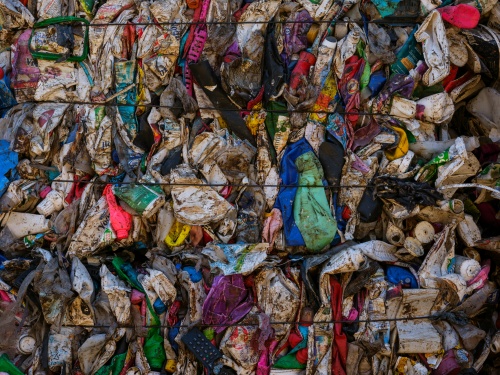
Modern textiles vary significantly in their material composition, structure, and chemical treatment, which creates major challenges for recycling systems.
Garments are often made from blends of natural fibers such as cotton or wool combined with synthetics like polyester, elastane, or nylon, frequently in varying ratios even within the same product line. In addition,.....
Garments are often made from blends of natural fibers such as cotton or wool combined with synthetics like polyester, elastane, or nylon, frequently in varying ratios even within the same product line. In addition,.....
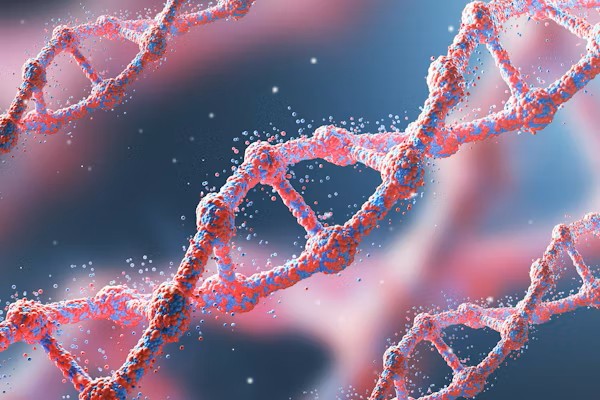
News 02 - Biological Recycling: Emerging Approaches to Textile Recovery
Biological recycling is an emerging field exploring the use of biological systems to process and recover value from complex textile waste streams.
Rather than relying on purely mechanical force or high-energy chemical breakdown, biological approaches aim ....
Rather than relying on purely mechanical force or high-energy chemical breakdown, biological approaches aim ....

News 03— EU Textile Waste Regulation: Policy Shifts and Extended Producer Responsibility
The European Union is currently implementing a series of legislative changes aimed at addressing growing textile waste volumes and improving circularity within the sector.
Under the revised Waste Framework Directive, EU member states are required to establish separate collection systems for textile waste. A key component of this framework is ....
Under the revised Waste Framework Directive, EU member states are required to establish separate collection systems for textile waste. A key component of this framework is ....
